Are Veneers Painful? What the Procedure Really Feels Like
If you ask ten people whether veneers hurt, you will hear ten slightly different answers. That is not because anyone is being dramatic. It is because "pain" means different things in a dental chair. For one person, pain is a sharp zing from cold air on a sensitive tooth. For another, it is jaw fatigue from holding still too long. For someone with dental anxiety, the worst part is not physical discomfort at all, it is the buildup beforehand.
The short answer is reassuring. For most patients, getting veneers is not a particularly painful procedure. It is usually more accurately described as mildly uncomfortable, occasionally annoying, and very manageable with local anesthetic and good planning. The part that tends to surprise people is not the pain, but the sequence of sensations. Numbness. Pressure. Vibration. Temporary sensitivity. A bit of awkwardness with temporaries. Then, once the final veneers are bonded, an adjustment period while your lips, tongue, and bite get used to the new shape.
That is the real story, and it is more useful than a simple yes or no.
Why veneers can feel intimidating before they happen
Veneers occupy an odd place in dentistry. They are cosmetic, so people often assume they should be easy and painless in every respect. At the same time, they involve real tooth structure, adhesives, drilling in some cases, gum retraction, and multiple appointments. That combination creates anxiety. Patients often walk in expecting either a spa treatment or a major surgical event, when the truth sits in the middle.
Part of the confusion comes from the fact that not every veneer case is the same. Some veneers require little to no enamel reduction. Others need more shaping to create space, correct alignment visually, or handle dark underlying tooth color. If a patient has worn enamel, exposed dentin, recession, clenching habits, or a strong gag reflex, the experience can feel different from someone with thick enamel and very calm nerves.
The procedure is also elective, which changes how people perceive sensation. If you are getting a filling because a toothache forced the issue, you are often grateful just to solve the problem. With veneers, people expect the process to be smooth because they are choosing it. Even mild temporary sensitivity can feel bigger when you did not start out in pain.
What the procedure usually feels like at each stage
The best way to answer the question honestly is to walk through the process as it typically happens.
The consultation and planning visit
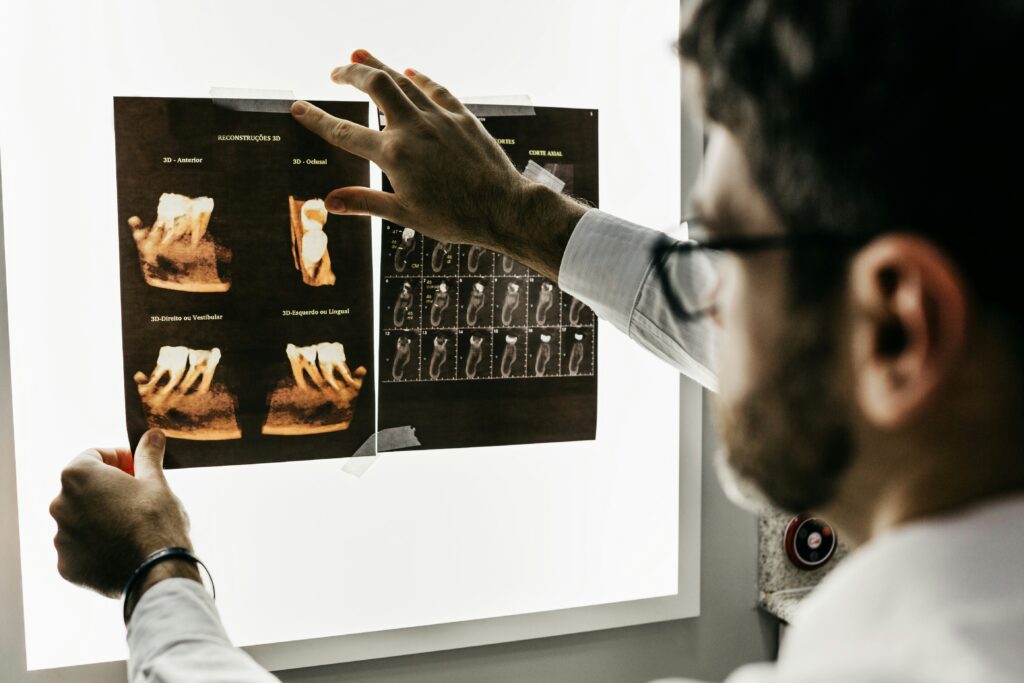
This appointment usually does not hurt at all. It is mostly photographs, X-rays when needed, digital scans or impressions, bite evaluation, and a discussion about shape, color, and goals. Sometimes a mock-up is made so you can preview the proposed result.
What patients feel here is usually emotional rather than physical. Relief, nerves, excitement, skepticism. If your dentist is thorough, this is also when they identify things that might affect comfort later, such as grinding, gum inflammation, untreated cavities, or preexisting sensitivity.
The tooth preparation appointment
This is the part people worry about most. In many cases, the teeth are numbed before any preparation begins. If enamel needs to be reduced, the dentist typically uses local anesthetic so you feel pressure and vibration, but not pain. The sensation is similar to getting a small filling on front teeth, often easier than patients expect because front teeth are generally straightforward to numb.
If you are properly numb, the preparation itself should not be painful. You may notice:
- the pinch and brief burn of the anesthetic injection
- water spray and suction
- vibration from the handpiece
- pressure around the teeth and gums
- jaw fatigue from staying open
For many patients, the injection is the least pleasant part. Even that is usually short. A skilled dentist will often use topical anesthetic first, inject slowly, and keep the area comfortable. Once numbness takes hold, the rest tends to be uneventful.
That said, numb does not mean you feel nothing. Pressure can be surprisingly intense, especially if several front teeth are being prepared at once. Some people interpret pressure as pain because it is unfamiliar. It helps to know that this is normal. If you ever feel a sharp sensation, that is worth mentioning immediately. Dentists expect feedback and can add more anesthetic.
Impressions, scans, and temporaries
After the teeth are prepared, the dentist takes final records for the lab. Digital scans are usually easy. Traditional impressions can be uncomfortable if you have a sensitive gag reflex, but they are not painful in the usual sense.
Temporary veneers or provisional restorations are often placed while the final veneers are being fabricated. This stage can create mixed feelings. Your teeth may feel oddly smooth, bulky, or lightly sensitive once the numbness fades. Biting into cold water that evening may produce quick zings. Thin temporaries can feel less polished than the final restorations, and some patients become very aware of their front teeth for a few days.
This is one of the more common places where people say, "It did not hurt during the procedure, but I was sore or sensitive after." That is a fair description. The discomfort is typically temporary and manageable, but it is real.
The bonding appointment
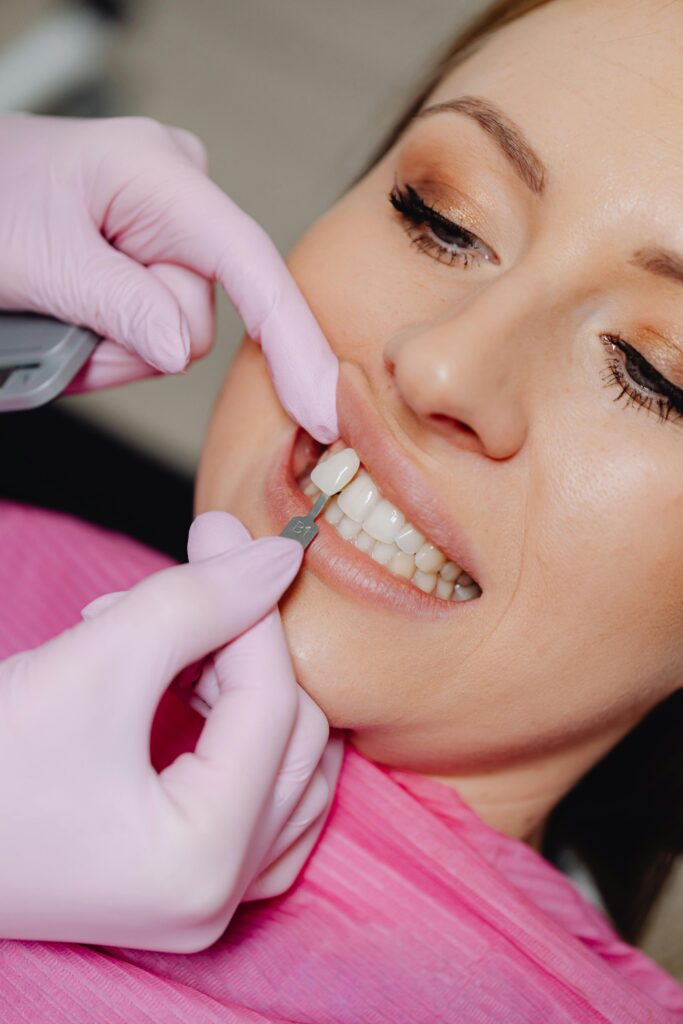
When the final veneers return from the lab, the dentist tries them in, evaluates fit and color, then bonds them in place. This appointment may or may not require anesthetic. If the teeth are very sensitive, or if gum tissue needs to be managed, numbing is often helpful. If there is minimal sensitivity and little manipulation, some patients prefer to skip it.
Bonding itself is not usually painful. You may feel the cheek retractors, the drying process, the pressure of seating the veneers, and the polishing at the end. The longest part is often not discomfort, but precision. Bonding front teeth is detailed work. Color checks, cement cleanup, and bite refinement take time.
Afterward, many patients report that the new veneers feel slightly prominent for a few hours or days, even when they look excellent. Your brain maps the surfaces of your front teeth with remarkable precision. Change the edge length by a millimeter and your tongue notices immediately.
Where pain can actually happen
Most veneer procedures stay comfortably within the range of minor dental work. Still, there are specific moments when discomfort can appear.
The first is the injection. Front tooth injections are usually tolerable, but few people love them. The second is preparation without enough anesthetic, especially if the tooth has existing sensitivity or the reduction reaches closer to dentin. The third is the period after preparation, when exposed or thinned enamel can react to temperature and air. The fourth is gum irritation. Retraction cords, polishing, or simply working near the gumline can leave the tissue tender for a day or two. The fifth is bite adjustment. If the bite is slightly high after bonding, one tooth can feel sore when chewing until it is corrected.
None of this means veneers are broadly painful. It means comfort depends on technique, communication, and case selection. A careful dentist can prevent most problems or catch them early.
What changes the pain level from person to person
The same veneer appointment can feel easy for one patient and draining for another. Several factors matter more than people realize.
- how much enamel reduction is required
- whether you already have sensitive teeth, recession, or worn enamel
- how many teeth are being treated in one visit
- your anxiety level, jaw tolerance, and gag reflex
- the dentist's technique, especially with anesthesia and temporaries
A no-prep or minimal-prep case can be dramatically easier than a case involving more reshaping. Someone with a history of whitening sensitivity may notice the temporary phase more than someone whose teeth have never reacted to cold. Treating six or eight upper front teeth in one appointment is not dangerous, but it can be tiring. And a calm, communicative patient often has a better experience than someone who spends the whole appointment bracing for pain.
That last point is not about toughness. Anxiety changes how the nervous system interprets sensation. A patient who is frightened may register routine pressure as pain. This is one reason many cosmetic dentists pay close attention to pacing, reassurance, music, breaks, and sedation options.
How veneers compare with other dental procedures
Patients often ask whether veneers hurt more than fillings, crowns, root canals, or whitening. As a general comparison, veneers are usually less painful than people expect and often easier to recover from than crowns on back teeth. Crowns typically require more reduction, affect teeth that handle heavier chewing forces, and can leave gums and surrounding tissues more aware afterward.
Compared with a small filling, veneers can feel more involved simply because there are often multiple teeth and cosmetic precision matters. Compared with root canal treatment, veneers are usually much less dramatic because the tooth nerve is not being treated internally. Compared with whitening, veneers can actually be more comfortable for some people because whitening sensitivity can be surprisingly intense in certain patients.
The hidden challenge with veneers is not severe pain. It is the combination of appointment length, temporary sensitivity, and adaptation to a changed smile.
What the first 48 hours usually feel like
This is the part many offices gloss over, but it matters. Once the anesthetic wears off after preparation, your teeth may feel tender to cold air, water, or sweet foods. If temporaries were placed, they can feel slightly rough or insecure even when they are functioning as intended. Some patients describe it as feeling "aware" of their front teeth all the time. That awareness fades.
After final bonding, most people can return to normal activities the same day. You might notice mild soreness in the gums, sensitivity when biting with the front teeth, or fatigue from keeping your mouth open during the appointment. If several veneers were placed, your lips and cheeks can also feel a little worked over from retraction.
Sharp, throbbing, escalating pain is not typical. If that happens, it deserves a call to the dentist. More often, the sensation is low-grade and temporary. A patient may avoid iced drinks for a day or choose softer foods that evening, then feel largely normal by the next day.
Temporary veneers are often the most awkward part
When patients tell the story later, a surprising number say the temporaries were harder than the permanent veneers. Not because they hurt badly, but because they are a transition phase. Temporaries can chip, stain, feel bulky, or make you chew more cautiously. They may also be less glossy and less refined than the final result. Speech can feel a little off for a day, especially with sounds like "f" and "v" if the incisal edges are changing.
This awkwardness does not mean something went wrong. It is part of the process in many cases. Temporaries protect the prepared teeth and let you test shape and length before the final cementation. If one tooth feels too long or your speech changes in a way you dislike, that feedback can help refine the final veneers.
Pain control options if you are nervous
For patients with significant dental anxiety, comfort planning can make all the difference. You do not need to grit your teeth through a cosmetic procedure just because it is optional. Dentists have tools for this.
Some patients do well with nothing more than local anesthetic and a calm explanation of each step. Others benefit from nitrous oxide, which takes the edge off and helps time pass more easily. In some practices, oral sedation is available for longer appointments. Noise-canceling headphones, breaks every thirty to forty minutes, and a signal to pause can also reduce distress.
People often underestimate the value of simply saying, "I tend to get overwhelmed in the chair," before the appointment starts. That one sentence changes how the team paces the visit.
Signs your discomfort may need attention
A mild ache, temporary cold sensitivity, and gum tenderness can all be normal. There are, however, a few situations where discomfort deserves prompt follow-up. Persistent pain https://eduardolfro796.capitaljays.com/posts/what-foods-and-drinks-can-stain-veneers when biting may mean the bite needs adjustment. Lingering sensitivity to cold on a prepared tooth can suggest exposed dentin or an issue with the temporary. Gum swelling that worsens rather than improves may indicate irritation from excess cement or trauma to the tissue. A veneer that feels loose, catches floss sharply, or creates a pressure point should be checked.
Most post-bonding problems are fixable, often with a simple adjustment. The key is not to assume you have to wait it out if something feels clearly wrong.
What careful aftercare actually helps
The goal after veneers is not intense recovery. It is reducing irritation while the teeth, gums, and bite settle. For the first day or two, simple habits help more than heroics.
- choose lukewarm drinks if your teeth feel temperature-sensitive
- avoid biting directly into very hard foods with temporary veneers
- take the pain reliever your dentist recommends, if needed
- brush gently at the gumline and floss carefully
- call if one tooth feels high when you bite
There is no medal for pretending nothing feels different. If your bite is off by even a tiny amount, your jaw and tooth ligament can notice. A two-minute adjustment can spare days of soreness.
The question behind the question
When people ask whether veneers are painful, they are often asking something deeper. Will I regret doing this? Will I be trapped in a cycle of discomfort for a prettier smile? Will I be able to function normally the next day?
For properly planned cases, the answer is usually no, no, and yes. Veneers should not be sold as effortless, but they also should not be feared as a punishing ordeal. Most patients are relieved by how manageable the process feels. The hard part is often psychological before the appointment, then practical for a short period while wearing temporaries.
The best experiences tend to come from realistic expectations. If you expect zero sensation, you may feel disappointed by normal temporary sensitivity. If you expect major pain, you will likely be pleasantly surprised. Somewhere between those extremes is the truth: veneers usually involve a few uncomfortable moments, a brief adjustment period, and a high level of control over comfort when the dentist is attentive.
Questions worth asking before you commit
A good veneer consultation should leave you with fewer unknowns, not more. Ask whether your case is minimal-prep or requires more reduction. Ask whether numbing is routine for the preparation and bonding visits. Ask how long temporary sensitivity typically lasts in their hands. Ask what happens if your bite feels off after placement. Ask whether you grind your teeth and if a night guard is recommended.
These questions are not fussy. They are practical. Comfort is not just about pain during the procedure. It is about how well the entire process is managed, from planning to follow-up.
The bottom line on what veneers really feel like
For most people, veneers feel like a controlled dental procedure rather than a painful one. Expect the anesthetic pinch, some pressure and vibration, possible temperature sensitivity after preparation, and a short adaptation period once the final veneers are on. Expect your gums and jaw to notice the appointment more than your teeth do in many cases. Expect temporary veneers to feel a bit strange. And expect that if something is genuinely painful, it is usually worth a quick adjustment, not silent endurance.
That is the version patients deserve to hear. Veneers are not pain-free in the absolute sense, because very little in dentistry is. But when they are done carefully, with good communication and realistic expectations, they are far more comfortable than their reputation suggests.
Oaks Dental
Address: 5000 Parkway Calabasas Ste 308, Calabasas, CA 91302
Phone number: +18184312000
FAQ About Veneers
How much do veneers actually cost?
The cost of dental veneers typically ranges from $250 to $2,500 per tooth, with a full smile transformation averaging anywhere from $6,000 to $20,000 depending on the material you choose. Because veneers are classified as a elective cosmetic procedure, dental insurance almost never covers them.
What is the downside of having veneers?
The main downside of dental veneers is that the process is permanent and irreversible, as a dentist must shave off a thin layer of natural tooth enamel. Other major drawbacks include increased tooth sensitivity, high financial costs, and the need to replace them every 10 to 15 years.
What happens to the teeth under veneers?
When you get veneers, a dentist shaves off a thin layer of your natural tooth enamel (about 0.3 to 0.7 millimeters). The living tooth stays intact underneath, but losing this outer layer is permanent. The tooth relies on the veneer shell for lifelong protection and cannot be left bare.